
A major international study published in The Lancet has found that just over one in every 10 deaths from infectious diseases worldwide can be linked to obesity, highlighting a significant global public health challenge. Researchers analysed health and mortality data from more than 540,000 adults in the UK Biobank and Finnish cohorts, tracking participants over more than a decade to investigate how body weight affects infection outcomes. Obesity Raises Infection Severity & Death Risk People with obesity — defined as a body mass index (BMI) of 30 or higher — were found to be roughly 70 % more likely to be hospitalised or die from infections than those with a healthy weight. This elevated risk held across a broad range of infections, including flu, pneumonia, COVID-19, stomach and urinary tract infections. The danger rose steadily with increasing BMI; individuals with the most severe obesity (BMI ≥ 40 kg/m²) faced about three times the risk of serious infection compared with healthy-weight adults. Burden Varies by Country & Region When the research team applied their findings to Global Burden of Disease mortality data, they estimated that obesity may have contributed to approximately 0.6 million of the 5.4 million infectious disease deaths in 2023 — about 10.8 % globally. The impact, however, differed between nations: In the United States, obesity was linked to roughly one in four infectious disease deaths, In the United Kingdom, about one in six deaths were obesity-associated, Countries with lower obesity prevalence, such as Vietnam, showed notably lower proportions. Why Obesity Increases Infection Risk? Scientists suggest that obesity may weaken immune defences, leading to poorer outcomes from infections. Chronic inflammation, metabolic disturbances, and impaired immune responses are among the possible biological mechanisms being explored. However, the observational nature of the study means it can’t prove direct causation — only a strong association. Public Health Implications & Recommendations With global obesity rates rising, researchers warn that the number of infection-related hospitalisations and deaths linked to excess weight may grow if preventative efforts are not strengthened. Experts recommend policies that support healthy lifestyles, such as improving access to nutritious foods, encouraging physical activity, and promoting vaccination, particularly for people with obesity. Key Takeaway The research adds to the evidence that obesity isn’t only a risk factor for chronic conditions like diabetes and heart disease — it also significantly influences outcomes from acute infectious diseases, underscoring the importance of weight management as part of comprehensive public health strategies.
Read More
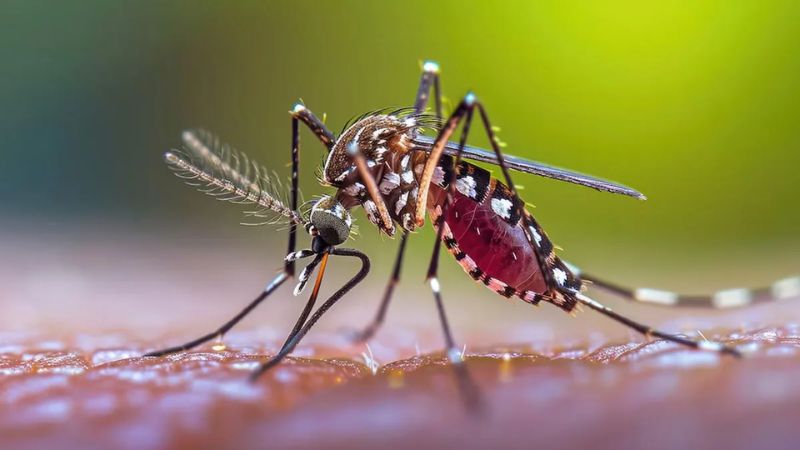
In a worrying global health update, the World Health Organization (WHO) has issued a critical warning about malaria cases on the rise worldwide, revealing that an estimated 282 million people were infected in the last year. The resurgence of malaria, a disease once significantly controlled in many regions, is now accelerating due to climate change, drug resistance, weakened healthcare systems, and disruption of preventive measures. As malaria cases on the rise worldwide becomes an urgent headline, experts stress that immediate action is needed to avoid a global health crisis. Malaria Cases on the Rise Worldwide: What WHO Reports Reveal The latest World Malaria Report has highlighted a sharp increase in infections across Africa, Asia, and parts of South America. Nations that previously showed declining trends are once again seeing upward surges. According to WHO, the rise is driven by several interconnected factors, including: Expansion of mosquito habitats due to higher temperatures Stagnation in malaria control funding Disruption of healthcare delivery during economic and political instability Increasing resistance to both medicines and insecticides The statistic of 282 million infections underscores how rapidly the situation is worsening. The phenomenon of malaria cases on the rise worldwide is no longer limited to tropical zones; even countries with moderate climates are witnessing sporadic outbreaks. Climate Change Accelerating Malaria Spread Climate experts warn that rising temperatures, unpredictable rainfall, and humidity shifts are creating a perfect breeding ground for Anopheles mosquitoes. Regions at higher altitudes, previously too cold for mosquito survival, are now reporting malaria transmission. Areas in East Africa, parts of India, Southeast Asia, and even the Middle East have recorded unusual spikes. Studies indicate that even a 1–2°C temperature increase can significantly expand mosquito distribution. As a result, malaria cases on the rise worldwide is directly linked to climate instability. WHO officials have emphasized that climate change is no longer a future threat—its effects are already being seen in global malaria dynamics. Drug Resistance: A Growing Global Threat One of the most alarming aspects of the report is the increasing drug resistance to commonly used antimalarial medicines, such as artemisinin-based combination therapies (ACTs). These medications were once highly effective and recommended as first-line treatment. However, resistance has now been documented in multiple regions, especially: Southeast Asia East Africa Parts of Oceania This rising drug resistance threatens to push global malaria control efforts backward by decades. Healthcare experts fear that if resistance continues to spread, mortality rates could sharply rise, making malaria cases on the rise worldwide far more deadly in the near future. Insecticide Resistance Adding More Pressure In addition to drug resistance, mosquito populations are becoming resistant to widely used insecticides found in treated bed nets and indoor spraying programs. This double resistance—mosquitoes resisting insecticides and parasites resisting drugs—creates a dangerous scenario. According to WHO, over 68% of malaria-endemic countries have reported some form of insecticide resistance. This significantly limits the effectiveness of preventive tools that once saved millions of lives. Impact on Children and Pregnant Women The burden of malaria continues to fall disproportionately on vulnerable groups. Children under 5 account for over 80% of global malaria deaths. Pregnant women face severe complications, including anemia, low birth weight, and pregnancy loss. As malaria cases on the rise worldwide grow at a rapid pace, WHO warns that mortality rates may increase if immediate interventions and funding are not prioritized. Economic and Social Impact Malaria is more than just a health issue—it is a major economic burden. Countries with high transmission rates face massive setbacks in productivity, tourism, and public health expenditure. Some nations lose billions annually due to: High hospitalization rates Lost working days Decreased labor output Increased pressure on healthcare systems Communities in rural areas, particularly in Africa and South Asia, face the harshest consequences due to limited access to medical care and preventive tools. How Countries Are Responding Despite challenges, several countries are accelerating their malaria control initiatives. 1. Enhanced Surveillance Systems Nations are using digital tools, local reporting networks, and real-time data tracking to monitor outbreaks. 2. Development of New Vaccines The rollout of RTS,S and R21 malaria vaccines has begun in several African countries, offering hope for long-term reduction. 3. Innovation in Mosquito Control Efforts include: Genetically modified mosquitoes New-generation insecticide-treated nets Eco-friendly repellents and larvicides 4. Community Awareness Programs Educating communities about early symptoms, preventive measures, and the importance of treatment compliance remains a key strategy. WHO’s Global Action Plan To counter the trend of malaria cases on the rise worldwide, WHO has outlined an integrated approach: Strengthening primary healthcare systems Increasing vaccine coverage Expanding access to rapid diagnostic tests (RDTs) Investing in new drug research Improving mosquito surveillance programs Global cooperation, funding support, and technological innovation are essential to reversing the infection curve. Conclusion: A Global Health Emergency That Needs Urgent Action The alarming rise of malaria cases on the rise worldwide is a clear reminder that infectious diseases remain a powerful global threat. With 282 million infections, growing drug resistance, and expanding mosquito habitats, the world is facing a complex challenge that requires unified action. Experts insist that only with robust healthcare systems, widespread vaccine adoption, scientific innovation, and international collaboration can the world hope to reverse the rising tide of malaria.
Read More
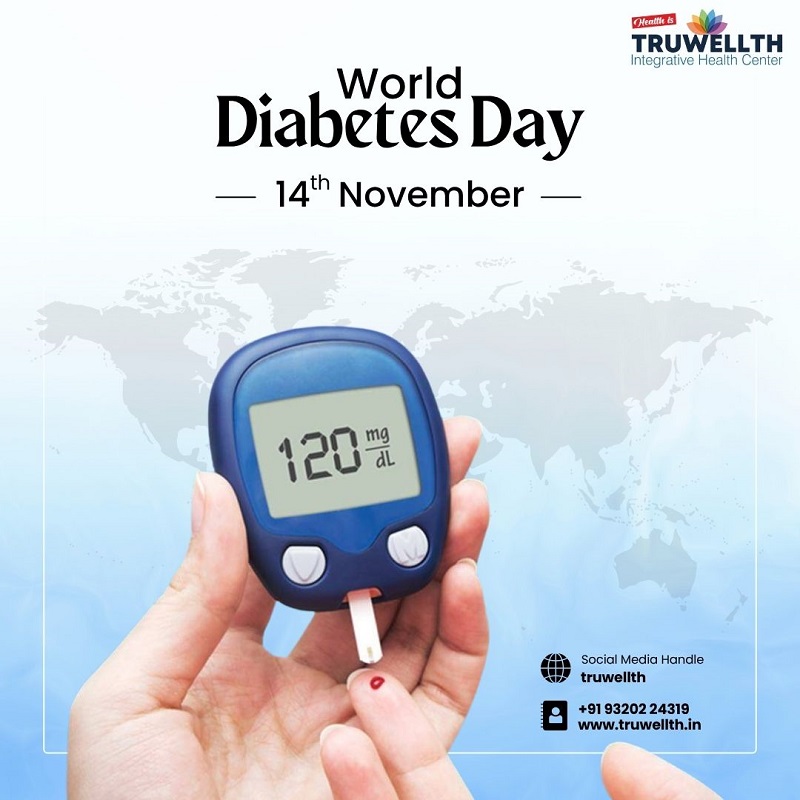
Every year on 14th November, the world observes World Diabetes Day, a global initiative dedicated to spreading awareness about diabetes, its prevention, and effective management. The day serves as a reminder of the growing global impact of diabetes and the importance of early detection, proper care, and lifestyle management. 🗓 Date and Background World Diabetes Day was first established in 1991 by the International Diabetes Federation (IDF) and the World Health Organization (WHO) to address the increasing health threat posed by diabetes worldwide. Since 2006, the United Nations has officially recognized it as an international health awareness day. The date, 14th November, honors Dr. Frederick Banting, who co-discovered insulin in 1922 — a medical breakthrough that revolutionized diabetes treatment and saved millions of lives. 💡 Theme for World Diabetes Day 2025 The theme for World Diabetes Day 2025 is “Diabetes and Well-being”, with a special focus on “Diabetes and the Workplace.” This year’s campaign emphasizes the need to support individuals living with diabetes not only through medical treatment but also by ensuring emotional and workplace well-being. The theme highlights how diabetes affects every aspect of life, including productivity, mental health, and quality of life, and calls for a more inclusive approach to diabetes management in both healthcare and professional settings. 🌍 Significance of World Diabetes Day Diabetes continues to be a major global health concern, affecting millions of people across the world. The day serves to: Raise awareness about early diagnosis and prevention. Promote education on diabetes management and lifestyle modification. Encourage governments and healthcare providers to make diabetes treatment more accessible. Advocate for mental and emotional well-being among those living with diabetes. By spotlighting the condition on a global scale, World Diabetes Day unites individuals, communities, and organizations in the fight against this chronic illness. 🩺 Understanding Diabetes Treatment and Management Diabetes occurs when the body either doesn’t produce enough insulin or cannot effectively use the insulin it produces. Proper diabetes treatment involves a combination of: Medication and insulin therapy Healthy eating habits Regular exercise Blood sugar monitoring Stress management However, beyond medical care, successful diabetes management requires lifestyle modifications and continuous guidance from healthcare professionals, including nutrition experts. Working with an experienced Dietitian in Thane can help individuals create balanced, sustainable meal plans tailored to their specific health needs. Diet plays a key role in controlling blood sugar levels and preventing complications associated with diabetes. 🧘 Holistic Approach to Diabetes and Well-being This year’s theme emphasizes that managing diabetes is not only about physical health but also about emotional balance and social support. People living with diabetes often experience stress, anxiety, or workplace challenges that can affect their overall well-being. Workplaces should adopt supportive policies such as: Allowing flexible work schedules for health checkups Offering healthy meal options in cafeterias Conducting wellness programs on nutrition and stress management Creating an environment that encourages open discussions about chronic health conditions Such initiatives can greatly improve quality of life and help individuals maintain consistent diabetes management routines. 🥗 Role of Diet and Nutrition in Diabetes Care Nutrition plays a crucial role in maintaining blood sugar balance. Consulting a Dietitian in Thane or a certified nutrition expert ensures that your diet includes the right balance of carbohydrates, fiber, proteins, and healthy fats. Key dietary tips include: Eating smaller, frequent meals to avoid sugar spikes Including fiber-rich foods like whole grains, fruits, and vegetables Avoiding processed and high-sugar foods Staying hydrated and limiting sugary beverages With the right guidance, lifestyle changes can complement diabetes treatment and significantly improve long-term health outcomes. 🎗 How You Can Contribute On World Diabetes Day 2025, everyone can make a difference by: Wearing blue, the official color of diabetes awareness. Getting a blood glucose test, especially if you have risk factors. Sharing educational content on social media to raise awareness. Encouraging friends and family members to adopt healthier lifestyles. Supporting colleagues with diabetes in the workplace. Every small action contributes to creating a healthier, more aware community. 🌟 Final Thoughts World Diabetes Day 2025 is not just about spreading awareness — it’s about taking real action. This year’s theme reminds us that diabetes treatment goes beyond medicine; it’s about empowering individuals to lead fulfilling, balanced lives through proper diabetes management, mental well-being, and healthy nutrition. Partnering with the right health experts, such as a qualified Dietitian in Thane, can make all the difference in managing diabetes effectively and preventing complications. As we observe World Diabetes Day 2025, let’s pledge to build a world where everyone living with diabetes receives the care, respect, and support they deserve — because good health and happiness go hand in hand.
Read More
Recent Posts
-
 Yoga Exercise for Diabetes Patient: 30 Minutes Home Practice & Comprehensive Guide
23-Feb-2026
Yoga Exercise for Diabetes Patient: 30 Minutes Home Practice & Comprehensive Guide
23-Feb-2026
-
 Global study links obesity to about 1 in 10 infection deaths
12-Feb-2026
Global study links obesity to about 1 in 10 infection deaths
12-Feb-2026
-
 Benefits of Vegetables, According to a Dietitian
06-Feb-2026
Benefits of Vegetables, According to a Dietitian
06-Feb-2026
-
 Nutritionist in Pune: Your Complete Guide to the Best Experts for Weight Loss, Weight Gain & Healthy Living
04-Feb-2026
Nutritionist in Pune: Your Complete Guide to the Best Experts for Weight Loss, Weight Gain & Healthy Living
04-Feb-2026
-
Diabetes Food Recipes: Easy & Healthy Meals for Type 2 Diabetes
30-Jan-2026